

livetruteri@gmail.com

Blog
By Teri Lynn

Feature Blog
You don't have a weight problem, you have a weight "symptom".
Everyone wants someone or something to blame, eh? What we have is cause and effect confusion.
Let’s get it said right away. Every woman who is dissatisfied with her extra pounds hates the “skinny bitch”.

Vegan Protein vs Animal Protein: What Your Body Actually Needs
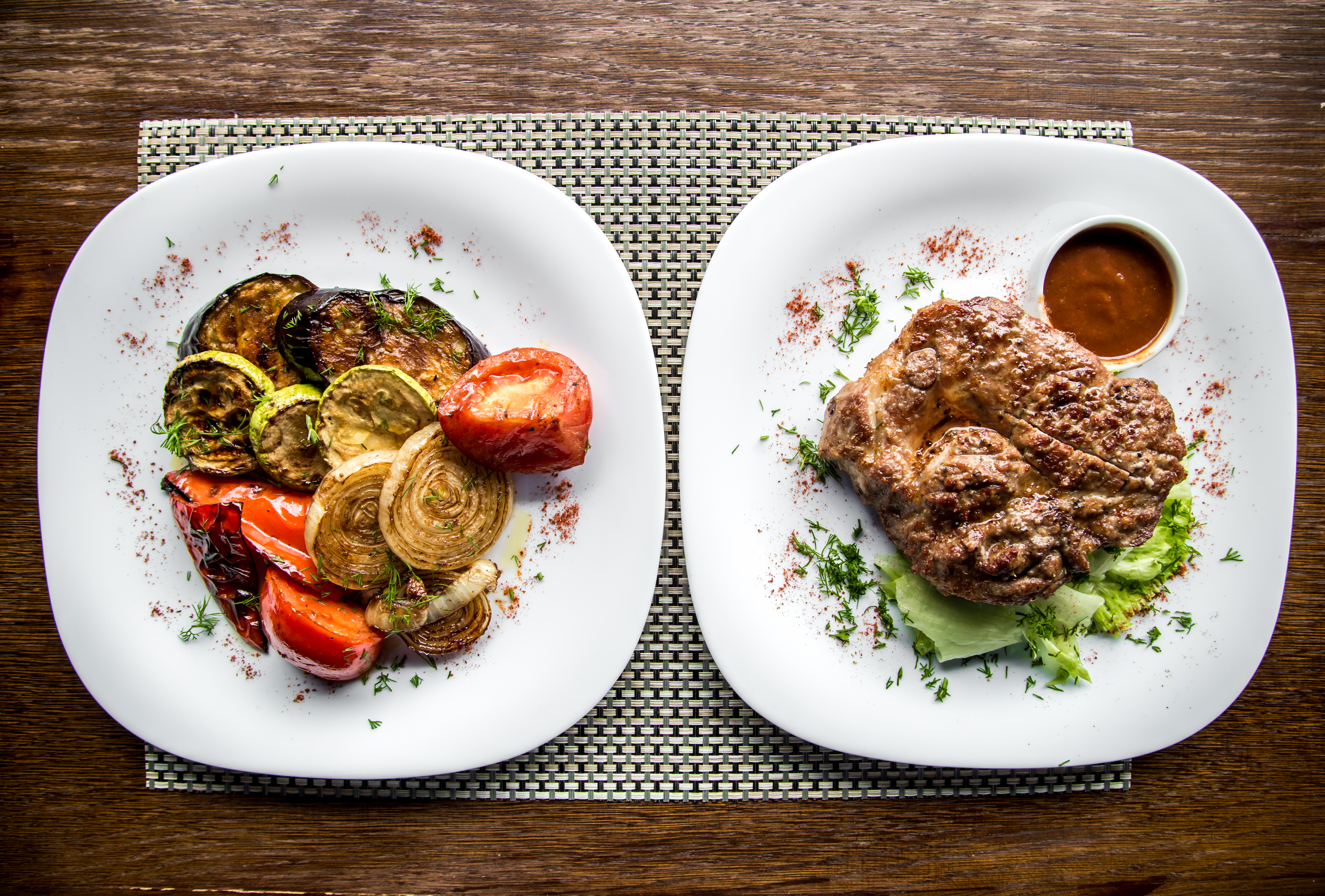
Vegan Protein vs Animal Protein: What Your Body Actually Needs
Oh boy, here is comes, eh? We gotta do this, though. More clarity needs to be had around this subject because it's going to be life changing for some people. It was for me. Let me preface this by stating that I was vegan for over 2 years. And not just vegan. I was raw vegan. And not just raw vegan. I was fruitarian, following the 80-10-10 diet for 2 solid years. That means I was very low fat with little to no added salt. I cheated once or twice with steamed broccoli, and once with one small slice of pizza that's how dedicated I was. That pizza, by the way, within 30 minutes got me feeling better, which was very confusing to me at the time. But I kept going for months.
Most know that there’s been ongoing debate in health circles about whether animal or plant protein yields better results or even if vegan protein has any hope to sustain humans optimally. Some argue that meat is inflammatory, raises cholesterol, and contributes to cardiovascular disease. Others say vegan diets lack key nutrients like vitamin B12, iron and available protein—often resulting in low energy, muscle loss, or weakened immunity.
And yet, for every argument on one side, there’s someone thriving on the opposite approach. Why do some people feel strong, energized, and stable on animal foods, while others feel their best on plant-based diets? The answer lies in something most discussions completely overlook: amino acids — and the uniqueness of the gut microbiome.
Protein Isn’t the Goal — Amino Acids Are
When we talk about “protein,” we’re actually talking about something more specific. The human body does not directly use protein. Instead, dietary protein must first be broken down into its smallest components called amino acids.
Amino acids are the raw materials the body uses to build muscle tissue, connective tissue, skin, hair, hormones, enzymes, neurotransmitters, immune cells, and structural proteins like collagen. Every system in the body depends on amino acids every single day — not just muscles. Protein itself is simply the delivery mechanism. Amino acids are what actually matter
Once amino acids enter the bloodstream, the body pulls from that circulating pool to build exactly what it needs. However, this process only works if all essential amino acids are present in the correct ratios.
If even one essential amino acid is missing, protein synthesis slows or stops — even when total protein intake appears high. This contributes to why some people eat plenty of food yet still struggle with muscle tone, strength, recovery, fatigue, mood, hair thinning, or hormone imbalance. It isn’t always about how much protein you eat. It’s about whether your body can access usable amino acids.
So How Do Animals Get So Big on Grass?
This is where most protein discussions miss a critical biological fact. Plants are naturally low in amino acids. Gram for gram, they simply do not contain the levels found in animal foods. And yet animals such as cows, horses, bison, elk, and gorillas build massive muscle eating nothing but grass and plants.
So how is this possible?
The answer is not that grass contains hidden protein. The answer is their digestive system.
Cows, for example, are ruminant animals, meaning they have a digestive system made up of four compartments: the rumen, reticulum, omasum, and abomasum. Inside the rumen lives an enormous population of bacteria, fungi, and microbes. When a cow eats grass, the grass itself does not provide amino acids in meaningful amounts. Instead, the fiber feeds these microorganisms.
As the microbes digest the plant material, they manufacture amino acids as a byproduct of their metabolism — literally creating amino acids where none existed before. Yay for the mighty microbes! Those newly formed amino acids are then absorbed through the intestinal wall into the cow’s bloodstream and used to build muscle, tissue, enzymes, and organs.
In other words:
The cow does not get amino acids from grass
The cow gets amino acids from its microbiome
The bacteria make them. This is how a 1,500-pound animal can grow enormous muscle mass on grass alone. In vegan circles I used to be a part of, one of the biggest arguments was "how do you think a gorilla or cow gets it's protein?" Well firstly, our digestive tracts are not the same as a gorilla or cow as has already been shown. But that doesn't mean we don't have some ability to make amino acids. Keep reading....
Humans Do Not Digest Food the Same Way
Humans do not have four stomachs. We are not ruminants. We do not ferment food long enough to manufacture amino acids at high levels the way cows do. However, humans do have a microbiome — and this is where individual differences matter greatly.
Some people have gut bacteria capable of producing certain amino acids and recycling nitrogen efficiently. Others produce very little.
This difference explains why:
Some people thrive on vegan diets
Some lose muscle and energy over time
Some feel strong and clear-headed on animal foods
Some feel inflamed or sluggish
It’s not belief, willpower, ideology or proof that a food is inherently "bad". It’s microbial capacity. People whose microbiomes are efficient at amino acid production can often do exceptionally well on plant-based diets. Their gut bacteria partially replicate the process seen in ruminant animals, just at a smaller scale.
Others do not have this microbial makeup. When they remove animal protein without replacing amino acids, they gradually develop deficiencies — even while eating large volumes of “healthy” food. This is why vegan diets can feel amazing for one person and depleting for another. Biology is individual.
Why Protein Quality Still Matters
The quality of what you are eating needs to be in every serious discussion around diet. This can make or break any chosen diet strategy in and of itself. Animals raised on unnatural feeds such as corn and soy produce meat higher in inflammatory omega-6 fats, while grass-fed animals produce meat richer in omega-3 fatty acids. Those on a vegan diet eating vast amounts of processed plant food is not the same as a whole food organic plant-based diet with variety.
Processing methods, chemical additives, and digestive health affect how protein is tolerated. Many people who believe they “can’t eat meat” were actually reacting to poor-quality meat or impaired digestion — not meat itself. Because amino acids are the common denominator — regardless of dietary philosophy — ensuring adequate intake becomes essential.
For the past year, I’ve personally used Perfect Aminos as part of my own nutrition routine. It provides all essential amino acids in exact human-required ratios. Because these amino acids are already in their free form, they bypass protein digestion entirely and are absorbed directly into circulation. They are 100% vegan-sourced, free from dairy, soy, gluten, sugar, and artificial sweeteners, making them appropriate for both plant-based and omnivorous diets.
(To get 20% off your first order use this link: https://prz.io/eQDXlX1c2)
The Bottom Line
The protein debate isn’t about meat versus plants.
It’s about amino acids — and whether your body can obtain and/or produce enough of them.
Animals can grow massive on grass not because plants contains protein, but because their whole digestive tract is designed for it, including manufacturing amino acids in a profound and sustainable way. Humans vary widely in this same capability.
Some thrive on plants.
Some thrive on animal foods.
Many thrive best with targeted amino acid support.
One thing is certain, when amino acid needs are met, the body can finally do what it’s designed to do — build muscle, repair tissue, regulate hormones, support immunity, and maintain stable energy and mental clarity.
That’s one of the foundations of true health.
Teri Lynn



Email: livetruteri@gmail.com